
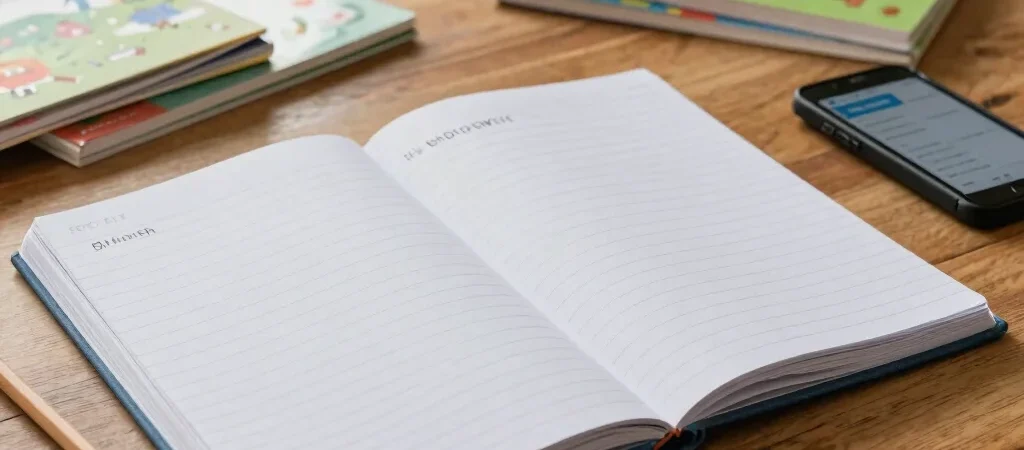
The lesson plan is open on the table when a message arrives that may change where the table will be next season. Suddenly, the week’s spelling words seem less urgent than questions about housing, dates, and what to tell the kids. Military-spouse life and homeschooling don’t take turns; they show up in the same room.
Keep the anchors, loosen the edges
When plans feel unsettled, it helps to choose a small number of things worth keeping steady: a read-aloud after breakfast, a short math lesson, or a daily walk around the block. Those anchors give the day a shape without asking you to pretend everything else is normal. The rest of the schedule can stay penciled in.
Make room for the practical work
Calls, forms, research, and family conversations are real work, even when they don’t fit in a homeschool subject box. On a day full of logistics, a shorter school plan may be the sensible plan. If a child helps sort books or measures a room on paper, there may be learning in that too—but it doesn’t have to turn every chore into a lesson.
Let the plan travel lightly
A useful plan is one you can adjust when new information arrives, not a promise that every day will go as written. Keep notes on what matters, set aside what can wait, and tell the kids what you know without filling the gaps with guesses. For now, choose one school anchor and one practical next step; that is enough structure for a day that is still unfolding.